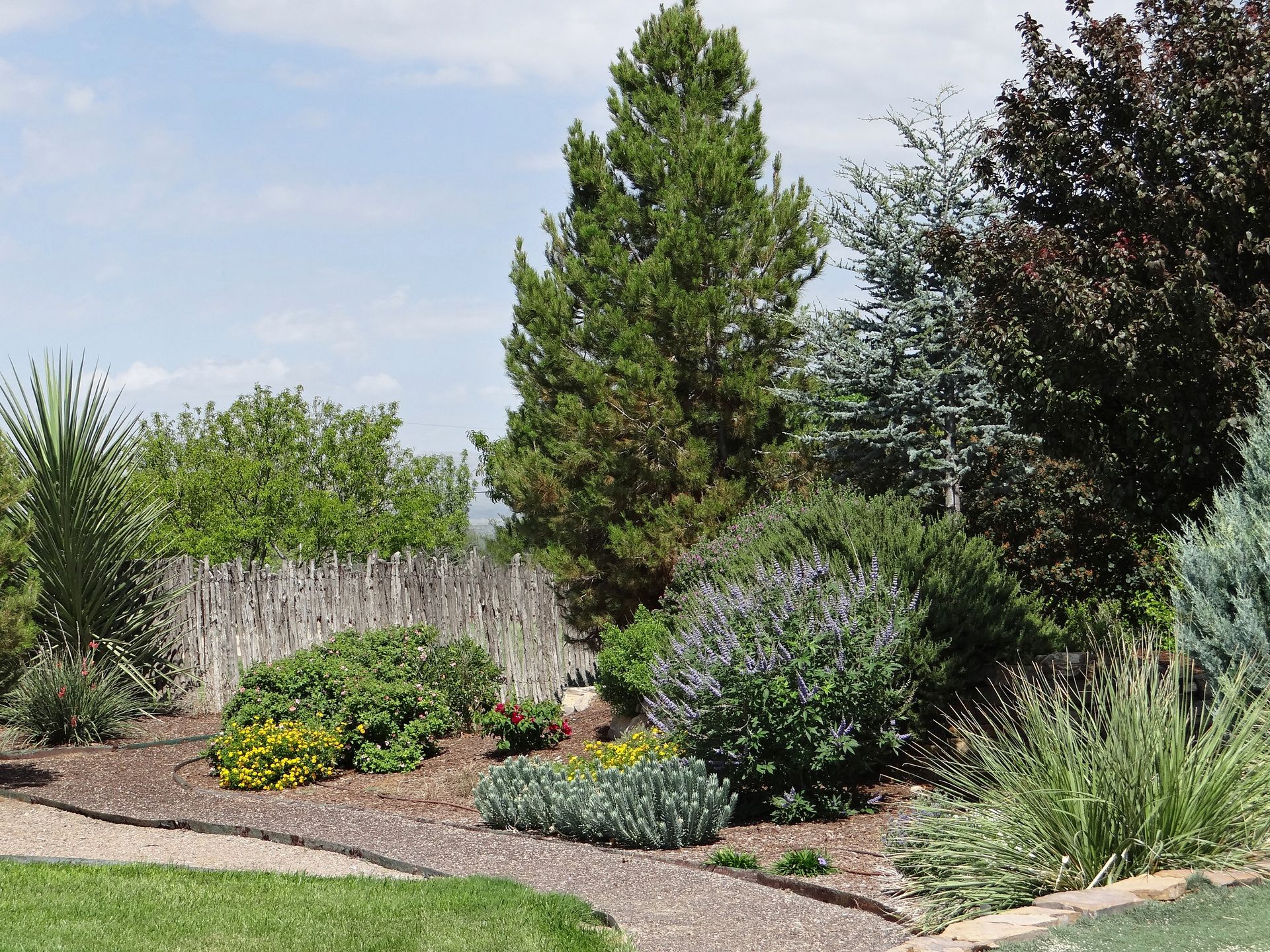
Understanding Irrigation Zones for Buckeye Desert Landscapes
Healthier Desert Yards Start with Smarter Zones
Irrigation zones divide your yard into separate watering areas, so each section gets the water it actually needs. That matters in Buckeye, where summer heat, dry soil, strong sun, and mixed plantings can make one watering schedule wasteful and ineffective.
When we plan irrigation, we look at more than where the plants sit. Plant type, soil, slope, sprinkler coverage, drainage, and seasonal weather all affect how much water an area can handle. September is a smart time to review these details because late-summer heat may still linger, while monsoon humidity and rainfall can change how quickly soil dries out.
A thoughtfully planned system can support healthier trees, shrubs, turf, succulents, and flowers without soaking areas that do not need extra water. It also makes seasonal timer changes far easier to manage.
Match Zones to Plant Needs and Sun Exposure
Plants with similar watering needs should share the same zone. When high-water and low-water plants are connected to one valve, one group often gets too much while the other gets too little. We separate plantings so water supports the roots instead of creating stress or waste.
Desert-adapted choices usually need less frequent watering than citrus, seasonal flowers, or natural grass. Common examples include:
Palo verde trees
Agave and cacti
Lantana
Brittlebush
Other low-water desert plants
Sun exposure matters just as much as plant type. South- and west-facing beds often receive punishing afternoon heat, while north-facing areas, covered patios, and courtyard beds may hold moisture longer. Separate zones let us account for those differences instead of giving every corner of the yard the same runtime.
Natural grass needs its own dedicated spray or rotor zone with even coverage across the entire area. Artificial turf does not need regular irrigation, although an occasional rinse option nearby can still be useful. During irrigation system installation in Goodyear, AZ, we also consider future changes, such as replacing grass with turf or adding new planting beds later.
Choose the Right Irrigation Method for Each Area
Drip irrigation is often a strong fit for trees, shrubs, cacti, succulents, and decorative planting beds. Water moves slowly through emitters near the root zone, which helps reduce evaporation and runoff in Buckeye’s dry conditions. Instead of wetting a wide surface area, drip places water where many plants need it most.
Spray heads and rotor sprinklers are generally better for natural grass, broad groundcover, and larger areas that need water spread evenly across the surface. Each sprinkler zone should use compatible heads that apply water at a similar rate. Poor spacing or mixed sprinkler types can lead to dry patches, puddles, and overspray onto concrete.
Drip and spray should not run on the same zone. They release water at very different speeds, so combining them forces you to compromise between one area and another. A professionally designed system can include separate valves, proper pressure control, filters, and emitters selected for each zone’s purpose.
Consider Soil, Slopes, and Drainage
Desert soil does not always absorb water quickly, especially after a long dry stretch. Compacted or clay-heavy ground can cause water to pool, run toward patios, or flow away before it reaches deeper roots. Long runtimes are not always the answer. In many cases, a zone needs a schedule that allows water to soak in gradually.
Raised planters, berms, retaining walls, and sloped yards need extra attention. Water naturally moves downhill, and a poorly planned zone can leave plants at the top thirsty while plants at the bottom sit in overly wet soil. We may recommend controlled drip delivery, pressure-compensating emitters, or cycle-and-soak scheduling for areas with elevation changes.
Drainage should always work alongside irrigation planning. Water should not be directed toward foundations, walkways, patios, or pool decks. After monsoon storms, many property owners notice washouts, pooling, or shifted soil for the first time. Those signs can reveal where irrigation and drainage plans need to work together more effectively.
Adjust Irrigation Schedules Through Early Fall
September can still be hot in Buckeye, but shorter days and occasional rain can reduce watering needs compared with peak summer. A timer that ran well during the hottest stretch of the year may now be delivering more water than some zones need. Smart controllers and seasonal adjustments can help match watering times to current conditions.
For most yards, we recommend early-morning irrigation. Cooler temperatures and calmer air can help water reach the soil instead of disappearing quickly in the heat. Frequent nighttime watering is usually not ideal for turf and dense plantings because prolonged moisture can create plant health concerns.
After stormy weather, it is wise to have irrigation components reviewed. Wind, debris, shifting soil, and heavy rain can affect coverage and damage parts of the system. Areas worth checking include:
Drip lines and emitters
Sprinkler heads and nozzles
Valves and pressure controls
Controllers and seasonal settings
Overspray near patios and driveways
Fall is also a practical time to improve inefficient zones before cooler planting season and upcoming outdoor projects in the West Valley.
Know When Zones Need Professional Attention
Poor zone performance often shows up in plain sight. Brown turf patches, puddling water, dry spots beside healthy plants, stressed shrubs, high water bills, and sprinkler spray hitting hard surfaces can all point to an irrigation issue. The cause may be damaged components, incorrect pressure, poor head placement, or plant materials that should not share a zone.
Irrigation planning should also consider what you may add later. A paver patio, retaining wall, outdoor kitchen, new turf area, lighting project, or expanded planting bed can affect existing lines and valve needs. Planning ahead can help prevent unnecessary rerouting when the yard changes.
A purpose-built irrigation system gives every area a clearer job: drip zones can serve desert plants, sprinkler zones can support turf, and shaded or sloped spaces can follow schedules that make sense for their conditions. With the right layout and timely seasonal adjustments, your yard can use water more wisely while staying attractive through changing desert weather.
Get a System Designed for Your Landscape
Sonny's Quality Landscape can assess your property’s plantings, grades, and water needs to create zones that work efficiently together. Our irrigation system installation in Goodyear, AZ helps support healthier landscapes with dependable, tailored coverage. To discuss your project and request an estimate, contact us today.
